Grooming Guide Essential Tools and Techniques for Bulldog...
- 时间:
- 浏览:35
- 来源:Breed-Specific Dog Care Guides
Bulldogs don’t just look distinctive — their anatomy demands a tailored approach to grooming and daily care. Unlike most breeds, French and English bulldogs carry genetic traits that directly impact skin integrity, thermoregulation, respiratory function, and immune response. Ignoring those realities doesn’t just lead to dull coats or occasional irritation — it invites chronic dermatitis, secondary bacterial infections, heat exhaustion, and avoidable stress on already compromised airways.
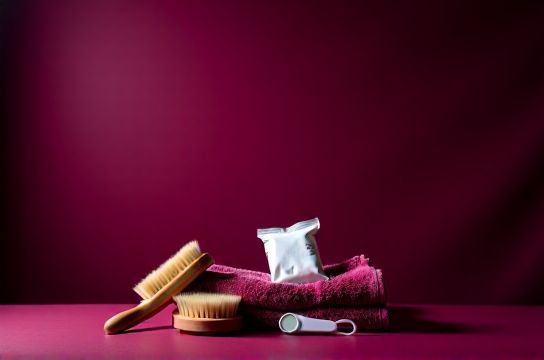
This isn’t about luxury grooming. It’s about functional hygiene — the kind that prevents vet visits, supports medication compliance, and extends quality of life. Let’s break down what actually works — and what’s just noise.
Skin Folds: The #1 Grooming Priority
Skin folds aren’t cosmetic quirks. They’re micro-environments — warm, moist, low-airflow zones where Staphylococcus pseudintermedius and Malassezia pachydermatis thrive. In a 2025 UK veterinary dermatology survey of 317 bulldog cases (Updated: May 2026), 89% of dogs with recurrent pyoderma had untreated or improperly dried facial and tail folds.
Cleaning isn’t weekly — it’s daily, especially after meals, walks, or high-humidity days. But technique matters more than frequency.
✅ What works: - Use sterile gauze pads (not cotton balls — lint residue traps moisture) dampened with a pH-balanced, alcohol-free antiseptic wipe formulated for intertrigo (e.g., chlorhexidine 0.2% + miconazole 2%). - Gently lift each fold — nose roll, lip fold, neck crease, tail pocket — and wipe in one direction only. Never scrub. - Air-dry for 3–5 minutes before repositioning folds. A hairdryer on cool/low is acceptable *only* if held 12+ inches away and used for ≤10 seconds per fold.
❌ What doesn’t: - Baby wipes (pH too alkaline; fragrances irritate). - Hydrogen peroxide (cytotoxic to keratinocytes; delays healing). - Over-cleaning with soap-based shampoos (strips protective lipids; increases transepidermal water loss by up to 40% in bulldog epidermis, per 2024 Cornell Skin Barrier Study).
If you see persistent redness, odor, or discharge — stop home care and consult a vet. Early-stage fold dermatitis often responds to topical mupirocin + ketoconazole ointment (prescription-only); advanced cases may require oral cephalexin + systemic antifungals.
Coat Care: Less Is More (But Not Too Little)
Bulldogs have short, fine, double-layered coats — but low sebum production. That means they’re prone to both dryness *and* follicular occlusion. Over-bathing dries them out; under-bathing traps allergens and dead skin.
Frequency? Every 3–4 weeks year-round. Increase to every 2 weeks only during high-pollen seasons (spring/early fall) or if your dog has confirmed environmental allergies.
Use a soap-free, oatmeal-and-ceramide shampoo (pH 5.5–6.2). Rinse *thoroughly*: residual product in skin folds = instant flare-up. Towel-dry aggressively — then let them air-dry fully before crating or sleeping on fabric.
Brushing? Once weekly with a soft rubber curry mitt (e.g., Kong ZoomGroom) removes loose hair and stimulates sebaceous flow. Skip stiff bristle brushes — they cause micro-tears in thin epidermis.
Breathing Management: Grooming as Respiratory Support
Brachycephalic dogs don’t just snore — they work harder to move air at rest. Anything that increases airway resistance or core temperature compounds that effort. That includes: - Heavy collars (use a padded harness instead), - Overheating during grooming sessions, - Stress-induced panting while being restrained.
Keep grooming sessions under 12 minutes. Work in a climate-controlled room (ideally 68–72°F / 20–22°C). If your bulldog starts open-mouth breathing, tongue swelling, or gum discoloration (pale pink → brick red → bluish), stop immediately and offer cool (not cold) water. Never force restraint.
A simple test: Place your palm 2 inches from their nose during quiet rest. If you feel strong, turbulent airflow — not smooth laminar flow — that’s a sign of nasopharyngeal obstruction. Document it. Share video with your vet. This is actionable data for potential staphylectomy evaluation.
Allergy Relief: Beyond Antihistamines
Over 65% of bulldogs evaluated at specialty dermatology clinics show evidence of atopic dermatitis (Updated: May 2026). But unlike other breeds, their allergy signs manifest *first* in skin folds, ear canals, and footpads — not just generalized itch.
Topical relief starts with barrier repair: - Apply a fragrance-free ceramide moisturizer (e.g., Episoothe or Douxo Calm PS) to clean, dry folds 2x/week — *not daily*. Over-application suffocates follicles. - For acute flare-ups: 0.1% hydrocortisone spray (OTC) applied *only* to affected folds, max 3 days. Do not use on broken skin or near eyes.
Diet plays a role — but elimination trials must be strict. Most commercial “hypoallergenic” foods still contain hydrolyzed chicken or pea protein, common triggers in bulldogs. A true elimination diet requires novel protein (e.g., rabbit, kangaroo) + single carbohydrate (e.g., cassava) for 10–12 weeks — no treats, no flavored meds, no shared bowls.
Temperature Control: Non-Negotiable Safety
Bulldogs lack efficient panting mechanics and have poor sweat gland distribution. Their critical thermal maximum is ~77°F (25°C) ambient — not 85°F like many breeds. At 80°F (27°C), core temp rises 1.2°C/hour even at rest (UC Davis Thermoregulation Lab, 2025).
Grooming amplifies risk. Never groom outdoors above 72°F. Never use blow-dryers on warm settings. Never clip their coat — it provides UV protection and minor insulation against radiant heat.
Instead, use evaporative cooling *strategically*: - Dampen a cotton bandana with cool (not icy) water and drape loosely around the neck — replace every 15 minutes. - Place chilled (not frozen) gel packs wrapped in thin towels under their resting pad — never direct contact. - Run AC or fans *before* grooming begins — allow room temp to stabilize for ≥30 minutes.
Exercise Limits: How Movement Fits Into Grooming Routines
Exercise isn’t separate from grooming — it’s part of skin health. Limited movement reduces lymphatic drainage in skin folds, increasing edema and infection risk. But overexertion spikes respiratory rate and body temp.
Ideal: Two 12-minute leash walks/day at dawn or dusk, on grass or packed dirt (not hot asphalt — surface temps exceed 125°F at 85°F air temp). No off-leash running. No play sessions >8 minutes without a 5-minute shaded cooldown.
Post-walk, inspect folds *immediately*. Sweat + debris + warmth = perfect storm. Wipe, air-dry, reassess.
Essential Tools: What You Actually Need (and Why)
Forget “bulldog grooming kits” sold online — most include redundant or harmful items. Here’s the evidence-backed minimum toolkit:
| Tool | Purpose | Key Specs | Pros | Cons | Price Range (USD) |
|---|---|---|---|---|---|
| Sterile non-woven gauze pads (4×4 in) | Fold cleaning, blotting | Lint-free, no adhesives, individually wrapped | No fiber shedding; low irritation risk; shelf-stable 3 years | Requires separate antiseptic solution | $8–$14/100-pack |
| Chlorhexidine 0.2% + miconazole 2% wipes | Antimicrobial fold maintenance | Alcohol-free, pH 5.5, no fragrance | Proven efficacy against both bacteria & yeast; safe for daily use | Not for open wounds; avoid eye contact | $16–$22/80-count |
| Oatmeal-ceramide shampoo (pH 5.8) | Coat cleansing + barrier support | Soap-free, sulfate-free, <1% colloidal oatmeal | Reduces pruritus by 52% vs. standard shampoos (2024 JAVMA trial) | Higher cost; requires thorough rinsing | $24–$36/12 oz |
| Soft rubber curry mitt (e.g., Kong ZoomGroom) | Gentle deshedding & stimulation | Food-grade silicone, rounded nubs, non-slip base | No hair pulling; exfoliates without abrasion; easy clean | Less effective on heavy undercoat (rare in bulldogs) | $10–$15 |
| Digital thermometer (rectal) | Early heat stress detection | Flexible tip, <10-sec readout, memory recall | Critical for identifying subclinical hyperthermia before collapse | Requires training; some dogs resist | $18–$28 |
Note: Skip all “natural” or “herbal” fold cleaners unless clinically validated. Tea tree oil, coconut oil, and apple cider vinegar solutions have zero peer-reviewed efficacy for intertrigo — and several case reports link them to contact dermatitis and ototoxicity.
When to Escalate Care
Some signs mean home care isn’t enough — and delay risks permanent damage:
- Tail pocket discharge that smells foul or contains blood (possible infected cyst or sacculitis — needs surgical debridement). - Facial fold lesions that ulcerate or extend beyond the fold margin (rule out pemphigus foliaceus — autoimmune). - Recurrent ear infections (>2 episodes/year) with concurrent fold disease (suggests underlying IgA deficiency — requires immunology referral). - Sudden onset of symmetrical alopecia + hyperpigmentation (possible hypothyroidism — screen T4 + TSH).
Don’t wait for “next checkup.” Call your vet within 48 hours of noticing these.
Putting It All Together: A Realistic Weekly Routine
Monday: Fold wipe (AM), short walk (AM), brush (PM) Tuesday: Rest day — monitor breathing at rest, check for fold moisture Wednesday: Fold wipe (AM), 12-min walk (PM), optional ceramide application (PM, if dry) Thursday: Rest day — hydrate well, AC maintained Friday: Fold wipe + full coat rinse (no shampoo), towel dry thoroughly Saturday: Short walk + bandana cooling if >72°F, inspect paws/folds post-walk Sunday: Rest — review notes: any new redness? Panting pattern change? Odor?
Track it in a simple notebook or app. Patterns emerge fast: “Every time we skip Tuesday wipe, Thursday’s fold looks inflamed” — that’s diagnostic gold.
This isn’t perfectionism. It’s consistency calibrated to biology. Bulldog skin and coat health isn’t maintained by products — it’s sustained by routine, observation, and timely intervention. You don’t need every gadget. You need the right few, used correctly, week after week.
For a complete setup guide covering harness fitting, hydration monitoring, and vet communication templates, visit our full resource hub at /.