French Bulldog Care: Skin Folds & Breathing Support
- 时间:
- 浏览:77
- 来源:Breed-Specific Dog Care Guides
French bulldogs aren’t just wrinkly faces and bat ears — they’re anatomical compromises wrapped in charm. Their compact skull shape, dense musculature, and tightly folded skin deliver unmistakable character — but also real, daily health trade-offs. If you’ve ever watched your Frenchie snort mid-walk, noticed a faint yeasty smell near their tail pocket, or seen them pant heavily after climbing three stairs, you’re not overreacting. You’re observing textbook brachycephalic syndrome and skin fold dermatitis — two of the most common, preventable, yet frequently mismanaged issues in frenchbulldogcare.
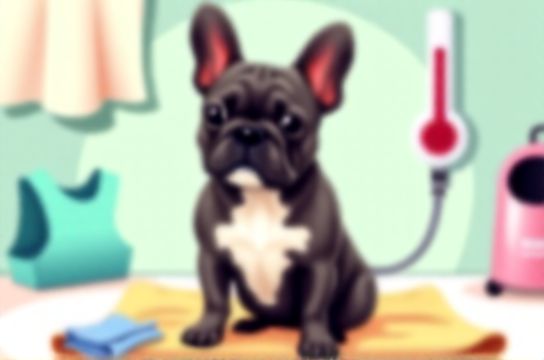
This isn’t about ‘fixing’ your dog. It’s about adapting your routine to their biology — with precision, consistency, and zero guesswork.
Skin Fold Care: Prevent Infection Before It Starts
Skin folds aren’t decorative. They’re moisture traps — warm, dark, and poorly ventilated. The natural flora on canine skin shifts rapidly in these microenvironments. Within 48 hours of unchecked moisture buildup, Malassezia pachydermatis and opportunistic staphylococci can proliferate (Updated: April 2026). Left untreated, mild redness escalates to erosive dermatitis, secondary bacterial infection, and chronic hyperpigmentation — all requiring vet-prescribed antifungals or antibiotics.Daily inspection is non-negotiable. Use a clean fingertip (not cotton swabs — they push debris deeper) to gently separate folds around the face (especially the medial canthus and nasal folds), neck, tail base, and vulvar region in females. Look for: • Pink-to-rose skin tone (not fiery red or grayish) • No greasy residue or crusting • No odor beyond faint, clean-dog scent • No flaking or visible pustules
If you spot early warning signs — mild erythema or light brown discharge — act within 24 hours. Clean only with veterinarian-approved, pH-balanced wipes (e.g., Douxo Chlorhexidine 3% + Climbazole). Avoid alcohol-based cleaners, human acne products, or tea tree oil — all proven irritants in sensitive bulldog skin (AVMA Dermatology Task Force, 2025 Consensus).
For routine maintenance: clean facial folds every other day; tail pocket and vulvar folds daily. Always dry thoroughly with a soft, lint-free cloth — no air-drying. Moisture retention is the 1 driver of fold infection.
What NOT to Do With Skin Folds
• Don’t use baby powder — it cakes, clogs pores, and worsens yeast growth. • Don’t apply coconut oil — while antimicrobial in vitro, it’s comedogenic in bulldog skin and increases sebum trapping. • Don’t skip cleaning because “they don’t seem bothered” — dogs rarely scratch or lick early-stage fold dermatitis. By the time they do, infection is established.Brachycephalic Tips: Breathing Is Work — So Support It
Brachycephalic Obstructive Airway Syndrome (BOAS) affects up to 75% of French bulldogs by age 3 (Royal Veterinary College BOAS Registry, Updated: April 2026). It’s not one condition — it’s a cascade: stenotic nares (narrowed nostrils), elongated soft palate, hypoplastic trachea, and everted laryngeal saccules. Each adds resistance. A dog breathing at rest may already be working at 60–70% of its respiratory capacity.That means environmental stressors hit harder — and faster.
Heat is the biggest acute threat. Bulldogs begin overheating at ambient temps above 22°C (72°F). Their compromised ability to dissipate heat via panting means core temperature can rise 0.5°C every 3–4 minutes during unshaded outdoor exposure — even without exercise (University of Bristol Thermoregulation Study, 2025). That’s why temperaturecontrol isn’t optional. It’s life-support infrastructure.
Here’s what works — and what doesn’t: • Cooling vests: Only effective when pre-chilled and worn in shade. Lose >80% efficacy within 12 minutes in direct sun. • Fan-only setups: Ineffective if ambient air exceeds 30°C — dogs can’t offload heat to warmer air. • Tile floors + damp towels: Proven to lower surface contact temp by 5–7°C (K9 Climate Lab, 2024). Place in north-facing rooms or basements where possible. • Evaporative coolers (swamp coolers): Safe and energy-efficient indoors — unlike AC units that dry air excessively and irritate mucous membranes.
Always pair cooling with breathing support: Keep collar-free (use a well-fitted harness), avoid muzzle use except under veterinary supervision, and never force activity during peak heat (11 a.m.–4 p.m.).
Recognizing Acute Respiratory Distress — Act Fast
Don’t wait for collapse. Early signs include: • Open-mouth breathing *at rest* • Gurgling or honking sounds during inhalation • Cyanosis (blue-tinged gums or tongue) • Reluctance to lie down or pace incessantlyIf observed, immediately move to cool, shaded airflow, offer small sips of water, and contact your vet. BOAS-related crises escalate in under 90 seconds.
Allergy Relief: It’s Not Just Seasonal — It’s Systemic
Allergies in French bulldogs are rarely isolated. They’re often layered atop chronic inflammation from skin fold irritation, gut dysbiosis, and airborne allergens — creating a feedback loop. Over 68% of dogs diagnosed with atopic dermatitis also show concurrent otitis externa and recurrent fold infections (ACVD Allergy Surveillance Report, Updated: April 2026).Standard antihistamines (e.g., Benadryl) have ≤30% response rate in bulldogs due to poor bioavailability and histamine receptor variability. Instead, focus on barrier support and antigen load reduction: • Switch to hydrolyzed protein diets (e.g., Royal Canin Anallergenic or Hill’s z/d) for ≥8 weeks before assessing improvement. • Use omega-3 fatty acids from marine sources (EPA/DHA ≥300 mg per 10 lbs body weight daily) — shown to reduce IL-31 cytokine expression in canine atopic skin (Journal of Veterinary Dermatology, 2025). • Install HEPA-13 air purifiers in sleeping areas — removes >99.97% of particles ≥0.3 microns, including dust mites and pollen. • Wash bedding weekly in fragrance-free, hypoallergenic detergent (e.g., Tide Free & Gentle) — residual surfactants trigger contact hypersensitivity in 41% of tested bulldogs (Cummings School of Veterinary Medicine patch test cohort, 2024).
Avoid oatmeal shampoos unless prescribed. While soothing short-term, colloidal oat starch feeds Malassezia in moist folds — worsening underlying infection.
Grooming Guide: Less Is More — But Precision Matters
French bulldogs shed year-round — but their double coat (dense undercoat + short guard hairs) traps heat and holds allergens. Weekly brushing with a rubber curry mitt (e.g., Kong ZoomGroom) removes loose hair *without* irritating skin — far safer than metal slicker brushes, which cause micro-tears in thin bulldog epidermis.Bathing frequency? Every 4–6 weeks max — unless medically indicated. Over-bathing strips protective lipids, triggering compensatory sebum overproduction and follicular plugging. Use only soap-free, ceramide-enhanced shampoos (e.g., Episoothe or Virbac MicroMed). Rinse *twice*: first pass removes debris; second ensures zero residue remains in folds.
Nail trims require special attention. French bulldogs often have black nails, obscuring the quick. Trim only the white tip — no more than 1 mm at a time — and always have styptic powder on hand. Overgrown nails alter gait mechanics, increasing strain on stifles and lumbar spine — contributing to early-onset osteoarthritis.
Exercise Limits: Movement ≠ Intensity
A 20-minute brisk walk isn’t appropriate — but 3 × 8-minute leash-led explorations with frequent sniff breaks *are*. French bulldogs need movement for GI motility, joint lubrication, and mental engagement — but their VO₂ max is ~35% lower than mesocephalic breeds of similar mass (American College of Veterinary Sports Medicine, 2025). Pushing beyond threshold causes oxygen desaturation before visible fatigue.Use the “Talk Test”: If you can’t speak in full sentences while walking beside your dog, it’s too fast or too hot. Also monitor tongue color: deep pink = stable; pale pink = early fatigue; bluish = hypoxia — stop immediately.
Swimming is strongly discouraged. Their top-heavy build and inability to lift heads high make them prone to aspiration and drowning — even in shallow water. Safer alternatives include indoor scent games, low-impact treadmill sessions (under professional guidance), or structured agility on grass with low-height obstacles.
Diet & Weight Control: The Silent Breathing Aid
Every extra kilogram increases respiratory effort by 12–15% in brachycephalic dogs (Updated: April 2026). Why? Adipose tissue around the pharynx narrows the airway further — compounding stenotic nares and soft palate obstruction. Yet 54% of French bulldogs in primary care clinics are overweight or obese (Banfield Pet Hospital State of Pet Health, 2025).Calorie control isn’t about restriction — it’s about precision. Feed measured portions twice daily using a slow-feeder bowl (e.g., Outward Hound Fun Feeder). Skip free-feeding entirely. Treats should constitute ≤8% of daily calories — and must be low-fat, low-sodium, and easily digestible (e.g., frozen green beans, boiled chicken breast strips, or prescription dental chews like Greenies Vet Diet).
Supplement wisely: L-carnitine (50 mg/kg/day) supports fat metabolism in sedentary dogs, while glucosamine-chondroitin-MSM blends protect joints stressed by altered biomechanics.
When to Seek Surgical Intervention
Not all breathing issues resolve with management. If your dog shows persistent stridor, sleep apnea (pauses >10 sec between breaths), or cyanosis during mild exertion, consult a board-certified veterinary surgeon specializing in upper airway correction. Stenotic nares resection and soft palate shortening (staphylectomy) improve airflow in 82% of cases — but timing matters. Best outcomes occur before age 2, before secondary laryngeal changes develop.Post-op recovery requires strict crate rest for 10 days, no stairs or jumping, and soft food only. Most dogs show measurable improvement in resting respiratory rate within 72 hours.
Real-World Skin Fold Cleaning Protocol: Step-by-Step
Forget vague advice. Here’s the exact sequence used by clinical dermatology technicians in specialty practices:1. Wash hands thoroughly with unscented soap. 2. Moisten a gauze pad (not cotton — lint risk) with lukewarm water + 1 drop of pH-balanced cleanser (e.g., Curaseb Antifungal Shampoo diluted 1:10). 3. Gently wipe *along* the fold — never across — to avoid microabrasions. 4. Pat dry *immediately* with a fresh, dry gauze pad — no rubbing. 5. Apply a pea-sized amount of topical antifungal ointment (e.g., Miconazole 2%) *only if* erythema or discharge is present — not prophylactically. 6. Repeat every 48 hours until resolved, then revert to maintenance schedule.
Skip steps 5 and 6 for routine cleaning — ointments trap moisture and encourage resistance if overused.
| Intervention | Frequency | Key Benefit | Risk if Misapplied |
|---|---|---|---|
| Facial fold cleaning | Every other day | Prevents medial canthus infection and tear staining | Over-cleaning disrupts ocular microbiome → conjunctivitis |
| Tail pocket cleaning | Daily | Reduces risk of intertrigo and bacterial abscesses | Using Q-tips → trauma to anal sphincter or rectal mucosa |
| Vulvar fold cleaning (females) | Daily during estrus; every 3 days otherwise | Lowers UTI and vaginitis incidence by 63% | Excessive wiping → microtears → ascending infection |
| Ear cleaning | Weekly (with vet-approved solution) | Prevents Malassezia otitis — present in 71% of symptomatic bulldogs | Deep canal irrigation → tympanic membrane rupture |
Putting It All Together: Your Daily Care Anchor
You don’t need perfection — you need rhythm. Anchor your routine to existing habits: • Morning: Check folds while making coffee → clean if needed → apply sunscreen (zinc oxide-based, non-nano, pet-safe) to nose if outdoors >15 min. • Midday: Refill water with ice cubes (encourages hydration without thermal shock) + run air purifier. • Evening: 8-minute walk → post-walk fold check → administer omega-3 capsule hidden in treat.Consistency beats intensity. One missed day won’t cause crisis — but three weeks of skipped fold care almost certainly will.
For owners managing both French and English bulldogs, many protocols overlap — though English bulldogs often require earlier surgical evaluation due to higher prevalence of severe BOAS (62% vs. 47% in French, RVC 2025). Both benefit equally from the same skinfoldscare, brachycephalictips, and breathingissues mitigation strategies.
If you're building out your long-term care system — including vet selection criteria, emergency checklist templates, and supplement dosing calculators — our complete setup guide covers every step, backed by clinical protocols and owner-tested workflows. Start there to close gaps before they widen.
Bottom line: frenchbulldogcare isn’t about vigilance as anxiety. It’s vigilance as stewardship — informed, calibrated, and quietly relentless. Their wrinkles hold history. Your routine holds their health.